

How Power Supply Reliability Protects Patient Safety in Medical Devices
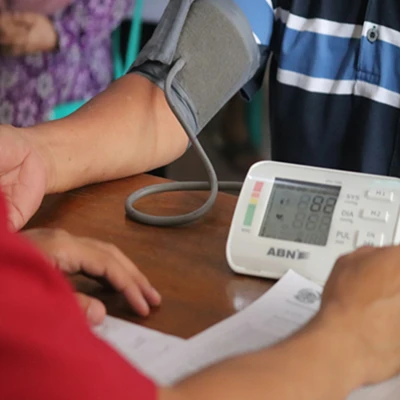
Power supply reliability is fundamental to modern health care, where electronic medical devices support diagnosis and treatment across clinical environments. Hospitals rely on equipment, such as patient monitors and surgical tools that must operate continuously during critical procedures. Each of these systems depends on a power supply that regulates voltage and maintains stable electrical performance.
When power infrastructure functions reliably, clinicians receive accurate data, which directly supports patient safety and clinical accuracy. Even minor voltage fluctuations can disrupt sensitive equipment and compromise diagnostic reliability. For this reason, health care technology developers prioritize robust power-supply design as a foundational component for safe medical device operation.
The Role of Power Systems in Modern Health Care
Power supplies form the foundation of medical device performance by delivering stable voltage and current to sensitive electronic systems. Medical equipment depends on consistent electrical output to produce accurate diagnostics and maintain reliable therapeutic functions. Devices such as patient monitoring systems and increasingly common robotic surgical equipment rely on precisely regulated power to ensure safe operation in clinical environments.
Even minor power instability can disrupt signal processing or interfere with device control systems. Power technology providers such as Astrodyne TDI help support this infrastructure through advanced power conversion and electromagnetic filtering technologies. These solutions help maintain stability, enabling health care professionals to rely on consistent device performance during critical patient care procedures.
Why Power Supply Reliability Is Critical for Patient Safety
Unstable electrical conditions pose serious safety risks in medical environments where equipment must operate without interruption. Power supply reliability becomes essential because unreliable power systems can trigger device shutdowns or inaccurate readings during patient care.
For example, frequent power outages can compromise the functioning of anesthesia machines. This fluctuation increases the risk of anesthesia-related complications and adverse patient outcomes. Astrodyne TDI and other industry leaders focus on expert power system design to prevent these electrical inconsistencies.
High-risk scenarios such as intensive care monitoring or surgical procedures depend on continuous device performance to track vital signs and support life-sustaining treatments. Even a brief disruption in electrical stability can interrupt monitoring systems, placing pressure on clinical teams during time-sensitive situations. Reliable power infrastructure is central to maintaining safe and dependable medical device operation.
Medical Device Safety Standards and Regulatory Requirements
Strict safety standards govern the design of medical power supplies to protect patients and health care professionals. Regulations such as IEC 60601-1 establish safety requirements for medical equipment, including mechanical and electrical hazards. These safeguards prevent accidents while ensuring sensitive medical devices operate safely near vulnerable patients.
Careful power supply design also protects signal integrity, ensuring that diagnostic and therapeutic equipment produce accurate clinical results. Regulatory compliance is critical to upholding medical device safety in hospitals and clinical facilities. Astrodyne TDI designs solutions that meet these stringent standards while ensuring reliable system performance.
Engineering Challenges in Medical Device Power Design
Medical power systems must perform reliably in complex clinical environments with interconnected electronic equipment and wireless tools. Power supply reliability matters because hospitals generate constant electromagnetic activity, and that raises the risk of interference that can affect sensitive low-level signals inside medical devices.
In Belgium, a pilot project assessed the use of mobile applications for rehabilitation after knee or hip arthroplasty involving 12 hospitals and around 280 patients. This endeavor shows how deeply connected technologies now extend into patient care pathways. Patient monitoring systems and other advanced devices rely on clean, stable performance to preserve signal accuracy and system responsiveness. When noise disrupts those signals, it can affect readings and overall device stability.
Professional teams, such as those at Astrodyne TDI, mitigate this electromagnetic interference through advanced filtering and shielding techniques.
Emerging Medical Technologies Increase Power Demands
Health care technology is leaning toward more advanced and digitally connected devices that support diagnostics, monitoring and treatment. Artificial intelligence-enabled imaging systems and remote patient monitoring platforms rely on increasingly sophisticated electronics that demand stable electrical performance.
Studies also show that a typical ICU bed space with a ventilator, patient monitor and several pumps consumes about 161 watts during operation. This setup illustrates the growing electrical load associated with modern patient care environments. As devices become more compact, reliable power conversion becomes more important for maintaining stable system performance. Strong power design supports medical device safety by helping advanced technologies operate consistently in high-acuity clinical settings.
Reliable Power Is the Foundation of Safe Medical Technology
Power supply reliability forms a critical foundation for modern medical device safety in clinical environments. Stable electrical performance allows diagnostic equipment and treatment devices to operate accurately during monitoring and life-support procedures. Health care organizations strengthen patient safety by prioritizing reliable power infrastructure during the design and deployment of medical technologies.
FAQs on Power Reliability in Medical Devices
The following questions address common concerns about power supply reliability and its role in protecting patient safety.
What risks can unstable power create in health care environments?
Unstable power can interrupt device operation or trigger unexpected system resets. These disruptions increase safety risks during procedures such as intensive care monitoring or surgery.
How do modern digital healthcare technologies affect power requirements?
Connected medical systems and remote monitoring devices increase electrical demands in hospitals. As health care technology advances, reliable power conversion and filtering systems become even more important.
How do power engineering specialists support medical device manufacturers?
Power engineering specialists, like the team at Astrodyne TDI, work closely with manufacturers to design and implement power architectures that meet safety standards and operate reliably in complex clinical environments. Their expertise supports long-term device performance and helps maintain safe, stable electrical operation.
Author Bio:

Jackson Toone
Writer and content strategist
Jackson is a passionate writer and content strategist who spends the majority of his time crafting compelling and engaging narratives, or otherwise reading fantastic books. He actively enjoys being able to inspire and inform others with his work.
 Media Pack Download
 Newsletters
 Industrial Events